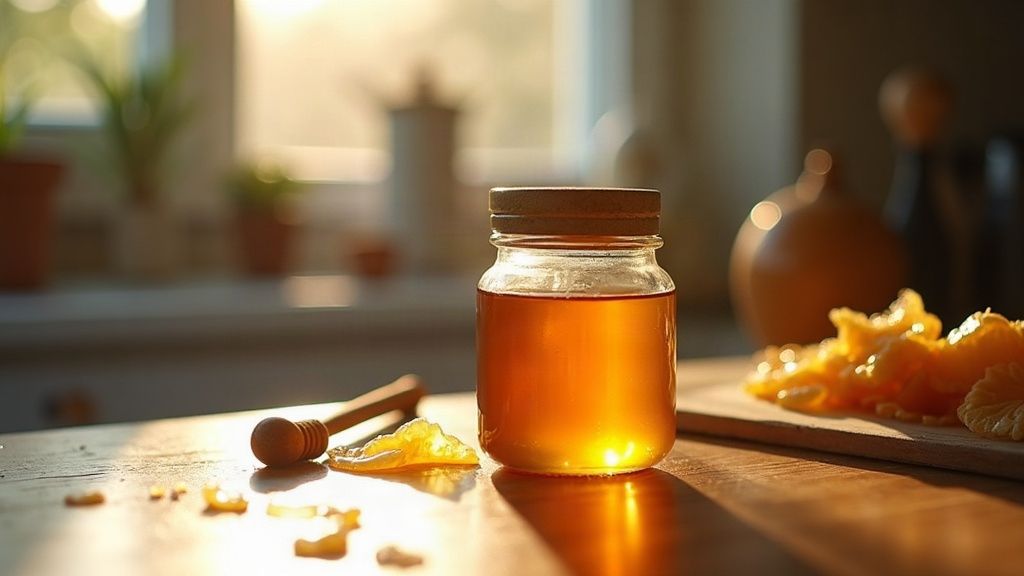
Meet Carol, 63, who noticed the ritual of stirring honey into her evening tea long before she noticed anything else. This guide walks through what that everyday habit might reveal about how people think about daily memory support as they get older.
It’s 4 o’clock, the kettle is on, and you reach for the honey jar out of pure habit — but somewhere between the pantry and the counter, a name or a date slips away. Here’s what’s typically happening behind that everyday moment.
Processing speed naturally shifts with age, which is why recalling a word can sometimes take an extra beat or two.
Deeper stages of sleep tend to shorten over the decades, and sleep quality plays a quiet but steady role in day-to-day recall.
Ongoing mental load — bills, family, schedules — can crowd out the mental space needed to hold onto small details.
Even small rituals, like sweetening your tea with honey each evening, can become the exact moments where a lapse is first noticed.
Kitchen-table wisdom about memory circulates fast. Here’s a closer, calmer look at three ideas people repeat most often.
Forgetting a name once in a while means something is seriously wrong.
Occasional forgetfulness is a normal part of how attention and recall work at any age, and becomes more common over time.
Nothing about daily routine actually matters for how your mind feels day to day.
Sleep, stress levels, and consistent small habits are widely discussed as pieces of an everyday wellness routine.
If you notice changes, there’s nothing practical you can do about it.
Many people find it useful to track patterns and talk with a healthcare professional about what they’re noticing.
None of this replaces medical guidance — but many people find it helpful to organize daily routines into three simple layers.
Start by simply paying attention to when lapses tend to happen — tired afternoons, busy mornings, or after a poor night’s sleep.
Small, repeatable rituals — a set tea time, a consistent wind-down hour — can make daily life feel less scattered.
Keep a simple note of what you change and how you feel, so any conversation with your doctor is grounded in real observations.
Long before modern kitchens, honey was already part of daily rituals in many households — stirred into warm drinks, paired with herbs, passed down through generations as a simple evening habit. Historians and food researchers have documented its steady presence across cultures for centuries, often tied less to any single claim and more to the comfort of ritual itself.
The insight many longevity-focused researchers point to isn’t about honey curing or treating anything — it’s about how small, consistent daily rituals can anchor a routine that people stick with over time.
Finding yourself unsure of what you were just saying, more often than feels usual.
Keys, glasses, or the phone turning up in unexpected spots more frequently than before.
Needing extra thought for a route you've driven or walked for years.
Asking something again shortly after it was already answered.
Losing the thread when several people are talking at once.
A sense of mental haze that seems to settle in during the afternoon hours.
Testimonials reflect individual experiences and opinions only. They are not a guarantee of any outcome and should not be viewed as medical advice.
No. This content is educational and explores everyday habits and traditional ingredients. It does not claim to diagnose, treat, cure, or prevent any condition.
No. Always continue working with a qualified healthcare professional for any memory or cognitive concerns.
Many of the everyday patterns discussed here — sleep changes, routine shifts, daily stress — become more commonly discussed starting around this age.
Occasional forgetfulness is widely considered a normal part of aging. Sudden or severe changes should always be discussed with a doctor.
The video expands on the ideas in this article. Any offers shown are separate and should be evaluated on their own terms.
It’s short and designed to be watched in one sitting, at your own pace.
This page shares general, educational information and traditional context. It is not a substitute for professional medical advice or peer-reviewed treatment guidance.
Watch the short video below to see how this everyday honey ritual fits into a bigger picture of daily habits after 50.
Advertising Disclosure: This is sponsored content created for educational and promotional purposes. This page may contain affiliate links, and we may receive compensation if you make a purchase through those links, at no additional cost to you.
Content Disclaimer: This content is for educational purposes only and has not been evaluated by the FDA. It is not intended to diagnose, treat, cure, or prevent any disease or medical condition. Always consult a qualified healthcare professional before making changes to your health routine.
Results Disclaimer: Individual results and experiences vary from person to person. Testimonials shared on this page reflect personal opinions only and are not a guarantee of any specific outcome.
© 2026 · All Rights Reserved · Contact